
General
5 Emerging Healthcare Trends Shaping Australia in 2026

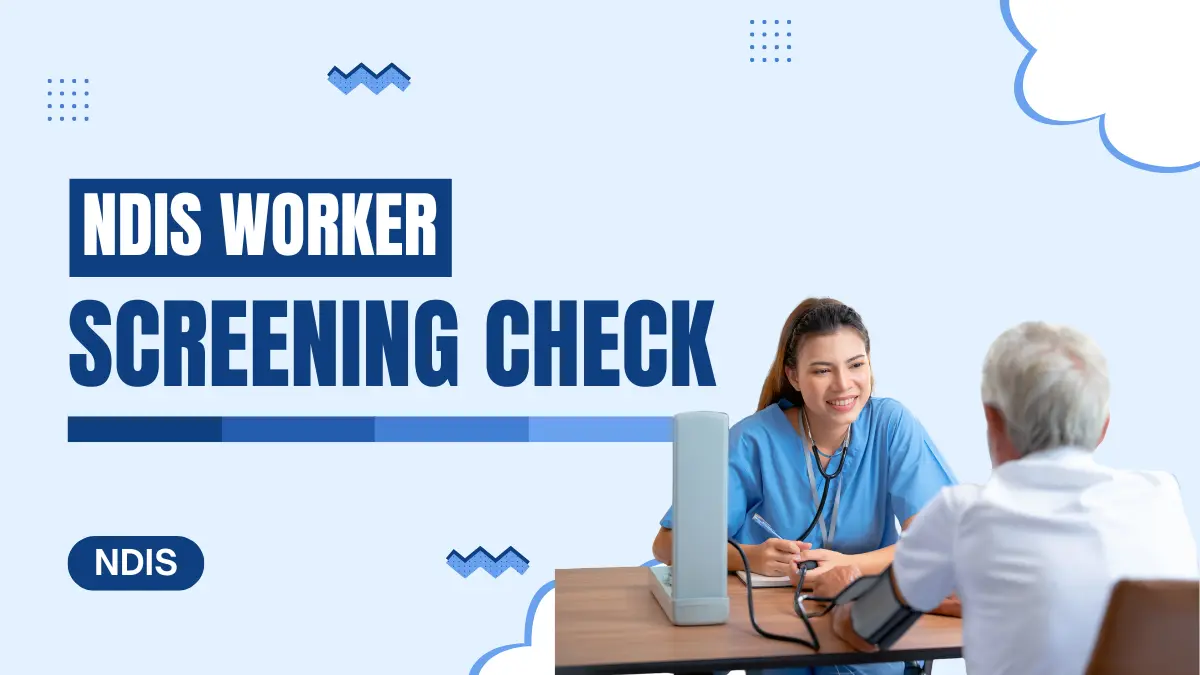
Healthcare in Australia is evolving rapidly, driven by advances in technology, a growing focus on preventive care, and changing patient expectations. For healthcare providers, patients, and industry professionals, staying informed about these trends is key to better outcomes and more efficient care.
1. Telehealth and Virtual Care
Telehealth has transformed the way Australians access medical services. Virtual consultations, remote monitoring, and online health platforms are making healthcare more convenient, especially for rural and regional communities. Patients can now receive care without leaving home, improving accessibility and reducing wait times.
2. AI and Data-Driven Diagnostics
Artificial intelligence is increasingly used to support diagnostics and patient care. From AI-assisted imaging to predictive analytics, these technologies help healthcare professionals detect conditions earlier, personalize treatment plans, and optimize operational efficiency.
3. Personalized Medicine
Advances in genomics and biotechnology are enabling tailored treatments based on an individual’s genetic profile. Personalized medicine promises more effective therapies with fewer side effects, transforming the patient experience and improving outcomes for chronic conditions and complex diseases.
4. Mental Health Awareness and Digital Support
Mental health remains a priority in Australia, and digital platforms are helping bridge gaps in care. Apps for stress management, therapy access, and remote counseling are empowering individuals to take charge of their mental wellbeing, while reducing stigma and expanding access to professional support.
5. Preventive and Holistic Care
There is a growing emphasis on prevention and holistic approaches to healthcare. Lifestyle programs, nutrition advice, fitness initiatives, and early screenings are helping Australians maintain long-term health. Integrating these approaches into primary care supports healthier communities and reduces the burden on hospitals.
Healthcare in Australia is not just about treating illness—it’s about improving quality of life, leveraging technology, and delivering care that meets the needs of modern patients. Staying informed about these emerging trends helps both providers and patients navigate the evolving landscape with confidence.
As 2026 unfolds, embracing these trends can ensure better care, smarter health management, and healthier communities across the country.

In a world where environmental challenges are becoming impossible to ignore, eco-friendly living is no longer just a trend—it’s a necessity. The good news? You don’t need to overhaul your entire lifestyle overnight. Small, intentional changes can create a powerful ripple effect for both your home and the planet.
What Does “Eco-Friendly” Really Mean?
Eco-friendly products and habits are designed to reduce harm to the environment. This includes items that are reusable, biodegradable, compostable, or made from sustainable materials.
Rather than relying on single-use plastics or wasteful consumption, eco-conscious choices focus on durability, minimal waste, and responsible sourcing.
Why It Matters More Than Ever
Households today generate significant amounts of waste, much of it from disposable, single-use items.
The impact includes:
- Landfills overflowing with non-degradable waste
- Microplastics entering oceans and food chains
- Increased greenhouse gas emissions
Switching to eco-friendly alternatives helps reduce pollution, conserve resources, and create a healthier environment for future generations.
5 Easy Eco-Friendly Swaps You Can Start Today
1. Replace Single-Use Plastics
Swap plastic wrap and bags for reusable alternatives like:
- Beeswax wraps
- Reusable produce bags
- Glass or stainless-steel containers
These simple changes can eliminate hundreds of single-use items each year.
2. Choose Sustainable Cleaning Products
Eco-friendly cleaning products use non-toxic, biodegradable ingredients and often come in recyclable packaging.
They’re safer for your home, your health, and the environment—without compromising on performance.
3. Switch to Reusable Everyday Items
Think beyond the obvious. Everyday swaps include:
- Cloth towels instead of paper towels
- Bamboo or wooden dish brushes
- Reusable shopping bags
These small upgrades significantly cut down household waste over time.
4. Upgrade Your Home with Sustainable Materials
Eco-conscious home products—like furniture made from recycled materials or energy-efficient lighting—help reduce your carbon footprint while maintaining style and comfort.
Look for:
- LED lighting
- Recycled or reclaimed materials
- Organic fabrics
5. Buy Less, Choose Better
Sustainability isn’t just about what you buy—it’s about how often you buy.
Invest in high-quality, long-lasting products instead of cheap, disposable alternatives. Durable goods reduce waste and often save money in the long run.
The Power of Small Changes
One eco-friendly swap might not seem like much—but multiplied across households, communities, and businesses, the impact is enormous.
From reusable bags to sustainable cleaning solutions, every choice you make contributes to a cleaner, healthier planet.
Final Thoughts
Eco-friendly living doesn’t have to be complicated or expensive. Start with one or two changes, build momentum, and watch how quickly sustainable habits become second nature.
Because when it comes to protecting our planet, every small step counts.
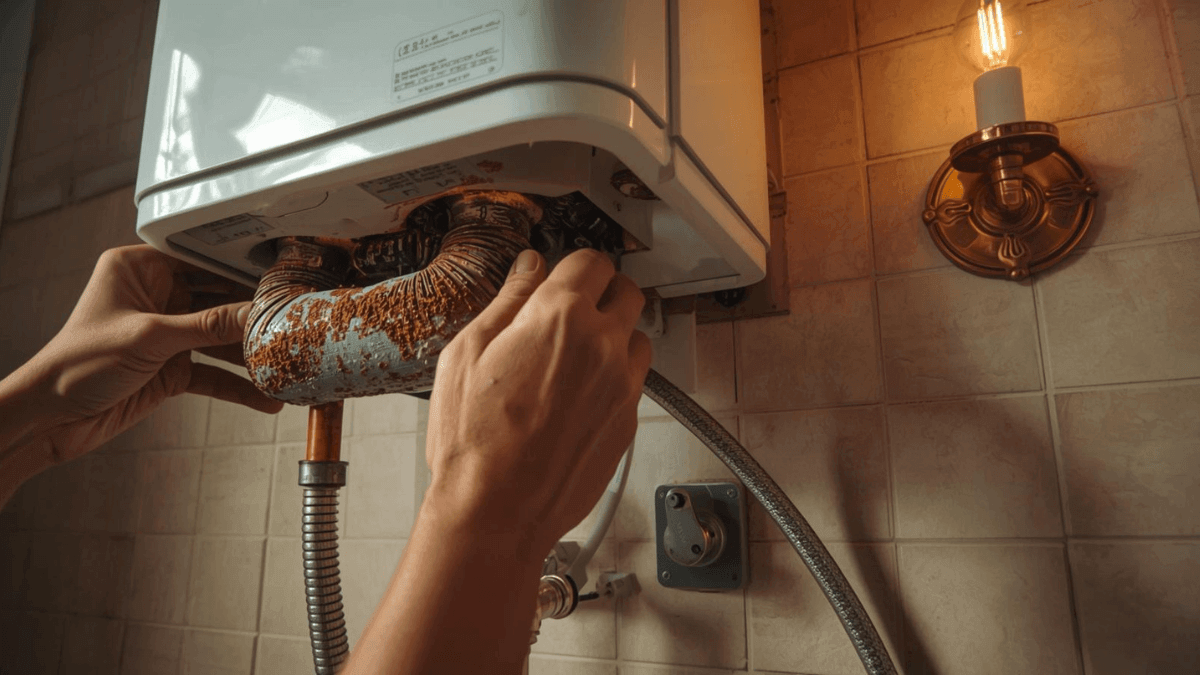
When Hot Water Systems Start Failing
A sudden loss of hot water can disrupt daily routines without warning. Whether it happens during a morning shower or while doing household chores, the inconvenience quickly becomes clear. In many cases, this issue signals that the hot water system is no longer performing efficiently or has reached the end of its lifespan.
Common warning signs often appear before a complete breakdown. These include inconsistent water temperature, unusual noises from the tank, discoloured water, or rising energy bills. Recognising these signs early helps avoid emergencies and allows for a more planned replacement.
Why You May Need a Hot Water Replacement Plumber Blacktown
When repairs are no longer effective, consulting a hot water replacement plumber in Blacktown becomes the practical next step. Professional assessment ensures that the right replacement option is selected based on the property’s needs and usage patterns.
A qualified plumber typically provides the following:
- Inspection of the existing system and diagnosis of faults
- Recommendations tailored to household size and water usage
- Safe removal of the old unit
- Installation of a new system that meets current standards
This process ensures that the replacement is not only efficient but also compliant with local regulations, reducing the risk of future issues.
Types of Hot Water Systems to Consider
Choosing the right system is a key part of the replacement process. Each type offers different benefits depending on budget, energy preferences, and household demand.
The most common options include:
- Electric systems: Affordable upfront and suitable for smaller households
- Gas systems: Faster heating and often lower running costs
- Solar systems: Energy-efficient with long-term savings potential
- Heat pump systems: Environmentally friendly and cost-effective over time
Understanding these options helps in selecting a system that balances performance, cost, and sustainability.
Choosing the Right Hotwater Replacement Plumber Blacktown
Selecting a reliable Hotwater Replacement Plumber Blacktown ensures that the installation process is handled correctly from start to finish. Experience and attention to detail play a significant role in preventing future complications.
Important factors to consider include:
- Licensing and certification for plumbing work
- Experience with different hot water system types
- Clear pricing and detailed service breakdowns
- Availability for urgent replacements
A well-qualified professional not only installs the system but also guides maintenance and efficient usage.
Cost Factors and What to Expect
The cost of replacing a hot water system can vary depending on several factors. Understanding these elements helps in planning the budget and avoiding unexpected expenses.
Key cost considerations include the following:
- Type and size of the new system
- Complexity of installation
- Required upgrades to plumbing or electrical connections
- Removal and disposal of the old unit
While upfront costs may seem significant, investing in a suitable system often reduces long-term expenses through improved efficiency and fewer repairs.
Benefits of Hiring a Hot Water Replacement Plumber Blacktown
Working with a Hotwater Replacement Plumber Blacktown offers more than just installation. It ensures that the entire process is handled safely and efficiently, providing peace of mind.
Key benefits include:
- Professional installation: Reduces the risk of leaks or system failures
- Compliance with regulations: Ensures safety and legal standards are met
- Energy efficiency guidance: Helps lower utility bills
- Long-term reliability: Minimises the need for frequent repairs
These advantages highlight the importance of choosing professional support rather than attempting temporary fixes.
Improving Efficiency After Replacement
Once a new system is installed, maintaining efficiency becomes the next priority. Proper usage and regular checks can extend the lifespan of the unit and keep performance consistent.
Simple steps to improve efficiency include:
- Setting the thermostat to an optimal temperature
- Insulating pipes to reduce heat loss
- Scheduling periodic maintenance checks
- Monitoring water usage habits
These practices help maximise the benefits of the new system while keeping energy consumption under control.
When to Replace Instead of Repair
Deciding between repair and replacement can be challenging. While minor issues can often be fixed, certain situations clearly indicate that replacement is the better option.
Replacement is usually recommended when:
- The system is more than 8–12 years old
- Repairs are becoming frequent and costly
- Energy efficiency has significantly declined
- The unit no longer meets household demand
Recognising these factors helps avoid repeated repair costs and ensures a more reliable solution.
Making the Right Decision for Your Home
Choosing the right hot water system and professional support requires careful consideration. Each household has different needs, and selecting the appropriate solution ensures long-term comfort and efficiency.
By understanding available options, evaluating costs, and relying on experienced professionals, property owners can make informed decisions. This approach not only restores hot water quickly but also improves overall system performance for years to come.
Conclusion: Restoring Comfort with the Right Approach
A failing hot water system can disrupt daily life, but it also presents an opportunity to upgrade to a more efficient solution. With the right knowledge and professional assistance, the replacement process becomes straightforward and stress-free.
From selecting the ideal system to ensuring proper installation, every step plays a role in achieving reliable hot water. By taking a practical and informed approach, households in Blacktown can enjoy consistent performance, improved efficiency, and long-term peace of mind.
General
Travel Time Cuts Hit Mobile Therapists: How Brisbane OTs & Physios Can Offset the 50% Rate Reduction
The landscape for mobile allied health professionals across Brisbane and Queensland shifted dramatically on 1 July 2025. New NDIS travel reimbursement rules now cap therapist travel claims at just 50% of hourly rates—a change that’s reshaping how occupational therapists, physiotherapists, and speech pathologists deliver in-home services. For practitioners serving outer Brisbane suburbs like Logan, Ipswich, and the Redlands, this reduction represents a significant financial challenge that demands strategic adaptation.
But it’s not all doom and gloom.
Progressive allied health practices are already implementing innovative solutions: clustering appointments geographically, blending telehealth with in-person visits, and optimising scheduling to maximise billable hours. The providers thriving under these new rules are those who’ve shifted focus from volume to value, building sustainable practices around exceptional service delivery and strategic efficiency.
This guide explores practical strategies Brisbane OTs and physios can implement immediately to offset revenue reductions whilst continuing to deliver the person-centred, mobile therapy services that NDIS participants depend upon. Discover how to adapt, optimise, and future-proof your practice in this new NDIS pricing landscape.

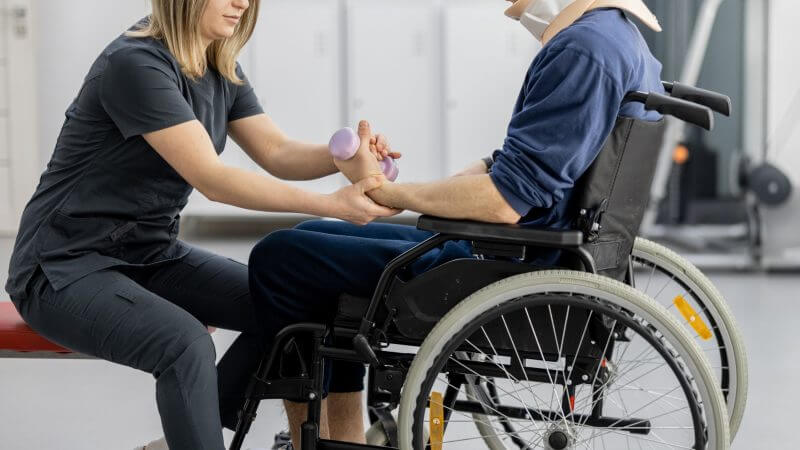
For mobile allied health professionals across Brisbane and Queensland, 1 July 2025 marked a watershed moment. The National Disability Insurance Agency introduced sweeping changes to travel reimbursement, capping travel claims for therapy supports at just 50% of hourly rates. This significant policy shift limits the total claimable amount for the labour time component of provider travel to no more than half of the applicable therapy price limit.
The impact has been immediate and far-reaching. Mobile occupational therapists, physiotherapists, speech pathologists and psychologists who previously claimed their full hourly rate for travel time now face a substantial reduction in sustainable income, particularly those serving regional and remote communities across South East Queensland.
Understanding the New NDIS Travel Reimbursement Rules
The updated Pricing Arrangements and Price Limits fundamentally reshape how mobile clinicians operate. An occupational therapist travelling one hour to see a participant can now only charge 50% of the hourly price limit for travel, down from the previous 100%.
For example, if an occupational therapist with a rate of $193.99 per hour travels 40 minutes in metropolitan Brisbane, they can now claim only $64.66 for that travel time (capped at 30 minutes at 50% rate), compared to $129.33 previously. The financial impact compounds quickly across a weekly caseload.
Metro areas face a 30-minute travel cap each way, whilst regional areas have a 60-minute limit. Non-labour costs like fuel and parking remain claimable at $0.99 per kilometre, but the labour component reduction represents the true financial challenge facing occupational therapy and physiotherapy practices.
Why This Matters for Brisbane’s Allied Health Workforce
Research indicates 90% of therapy providers are small operators serving fewer than five participants, creating a fragile market particularly in areas with limited infrastructure. The travel cap threatens the viability of mobile therapy services that many Brisbane families depend upon, especially in outer suburbs like Logan, Ipswich and the Redlands.
The changes arrive amid broader NDIS pricing reforms, including a $10 reduction in physiotherapy rates to $183.99 nationally and removal of regional loadings in some states. These compounding pressures force difficult strategic decisions for practices across Queensland.
Strategic Approaches to Offset Revenue Reductions
Progressive allied health providers are implementing several practical solutions:
Optimising Service Delivery Models
- Clustering appointments geographically to minimise travel between clients
- Implementing hybrid models combining telehealth services with strategic in-person visits
- Scheduling back-to-back appointments in the same suburb to maximise billable hours
- Offering extended 70-minute sessions that better reflect true service provision including documentation time
Enhancing Service Value
Smart practices are differentiating through exceptional service quality rather than competing solely on price. This includes comprehensive NDIS functional capacity assessments that justify therapy recommendations, detailed progress reporting that demonstrates clear outcomes, and collaborative approaches with positive behaviour support practitioners and psychologists to provide integrated care.
Marketing for Efficiency
Successful Brisbane practices are investing in local SEO to attract clients within tighter geographic zones, building strong referral relationships with NDIS support coordinators, and communicating their value proposition clearly through educational content that builds trust with participants and families.
Practical Implementation Steps
Begin by analysing your current caseload distribution using mapping tools to identify clustering opportunities. Brisbane therapists might focus intensively on specific regions—perhaps Monday in the northern suburbs, Tuesday in Logan, Wednesday on the southside—rather than criss-crossing the city daily.
Review your service agreements to ensure they reflect true service costs whilst remaining competitive. Consider introducing appointment packages that incentivise consistent scheduling patterns beneficial for both therapist efficiency and participant outcomes.
Invest in practice management software that optimises routing and scheduling. The time saved through intelligent rostering directly translates to increased billable hours and reduced administrative burden.
Looking Forward
Whilst the 50% travel cap presents undeniable challenges, it also creates opportunities for innovation. Practices that adapt strategically—through geographic focus, service diversification, and operational efficiency—will emerge stronger. The changes ultimately reward therapists who can demonstrate exceptional outcomes and build sustainable practices around quality rather than volume.
Brisbane’s allied health sector has weathered significant policy shifts before. By implementing thoughtful strategies now, mobile OTs and physios can continue delivering vital person-centred support whilst maintaining practice viability in this new landscape.
Blog FAQ
Q1: How much can NDIS therapists charge for travel in 2025? A: From July 2025, therapists can claim 50% of their hourly rate for travel time, capped at 30 minutes each way in metro areas and 60 minutes in regional areas, with vehicle costs at $0.99/km.
Q2: Which areas of Brisbane are affected by NDIS travel changes? A: All Brisbane metropolitan areas (MMM 1-3) face the 30-minute travel cap, significantly impacting outer suburbs like Logan, Ipswich, Redlands and northern corridor where travel times exceed these limits.
Q3: Can mobile therapists still provide home visits under new NDIS rules? A: Yes, mobile therapy remains viable but requires strategic scheduling, geographic clustering, and potentially hybrid models combining telehealth with in-person visits to maintain practice sustainability.

Why More Australians Are Replacing Weekend Car Ownership With Flexible Rentals

Why Dependable Local Transport Matters More Than Ever for Regional Communities

Understanding Plumbing Systems in Werribee Homes: A Simple Guide

NDIS and Exercise Physiology: What Participants Need to Know

Travel Time Cuts Hit Mobile Therapists: How Brisbane OTs & Physios Can Offset the 50% Rate Reduction

Urban vs Rural: Where Occupational Therapists Are Needed Most
-
 Listing10 months ago
NDIS and Exercise Physiology: What Participants Need to Know
-
 General9 months ago
Travel Time Cuts Hit Mobile Therapists: How Brisbane OTs & Physios Can Offset the 50% Rate Reduction
-
 Listing10 months ago
Urban vs Rural: Where Occupational Therapists Are Needed Most
-

 Listing9 months ago
Avoid These Common Taxi Scams – Easy Tips Every Mornington Local Should Know
-
 Listing9 months ago
Why NDIS Inhome Support Beats Other Home Help Options
-

 Listing10 months ago
How a Car Finance Broker Saves You Money on Your Next Vehicle Purchase
-

 Listing10 months ago
Hide-and-Seek Toys Your Dog Won’t Quit Chasing
-

 Listing10 months ago
What Are Respite Options? A Complete Guide for Carers and Families