
Listing
Why Taps Leak and How You’ll Stop It


A leaking tap may seem like a small annoyance, but over time it can waste litres of water, increase your bills, and even cause damage to your fixtures or surfaces. Whether it’s a slow drip or a steady trickle, knowing why taps leak and how to stop it can save you stress, time, and money.
Let’s break down the most common causes of leaking taps and what you can do to fix the issue quickly and effectively.
Common Reasons Taps Start Leaking
Leaking taps are usually the result of worn-out internal components or improper installation. Here are some of the most frequent causes:
1. Worn or Damaged Washer
One of the biggest culprits behind a leaking tap is a worn rubber or ceramic washer. Over time, washers lose shape due to pressure, friction and water flow. When this happens, the washer can no longer form a tight seal, leading to dripping.
2. Loose or Faulty O-Ring
Mixer taps often use O-rings to control flow and seal internal parts. If the O-ring loosens or deteriorates, water may leak from the base or handle.
3. High Water Pressure
If your water pressure is too high, it can force water through seals and washers that aren’t designed to handle such force. This can lead to sudden or intermittent leaks.
4. Corrosion or Build-Up Inside the Tap
Hard water, sediment and corrosion may wear down internal components, including cartridges and valve seats. Over time, this creates gaps that allow water to escape.
How to Fix a Leaking Tap
Before grabbing your tools, make sure you shut off the water supply from the valve or mains.
Here’s a simple step-by-step approach most homeowners can safely attempt:
Step 1: Identify the Type of Tap
- Compression tap
- Mixer tap
- Ball-type faucet
- Ceramic disc or cartridge tap
Knowing the type helps determine whether the washer, O-ring, or cartridge needs replacing.
Step 2: Remove the Handle
Unscrew the tap handle using a screwdriver or Allen key. Keep track of screws and small parts so nothing goes missing.
Step 3: Replace the Washer, Cartridge or O-Ring
- If it’s a washer-based tap, swap out the old washer for a new one.
- For ceramic or mixer models, replacing the cartridge or O-ring may fix the issue.
Step 4: Reassemble and Test
Put the handle back, tighten any screws, and restore the water supply to test your repair.
When You Should Call a Professional
While some tap leaks can be fixed with basic tools and replacement parts, not all repairs are simple. You should contact an expert if:
- The leak continues after replacing components
- Water pressure issues persist
- Internal corrosion or pipe damage is visible
- You’re not comfortable dismantling plumbing hardware
Professional plumbers offer specialised tools and diagnostic knowledge to repair leaks safely and efficiently.
If you’re looking for expert help, Tap & Pipe Repairing Services in Sydney can help with repairs, cartridge replacements and waterproofing issues to ensure your plumbing system remains reliable and leak-free.
Preventing Leaking Taps in the Future
Here are a few easy ways to stop leaks before they start:
- Avoid overtightening taps when turning them off
- Schedule routine plumbing inspections
- Maintain balanced water pressure
- Replace seals and washers before they deteriorate
Ongoing maintenance or assistance from Tap & Pipe Repairing Services in Sydney can prevent recurring issues and costly repairs.
Final Thoughts
A leaking tap isn’t just an inconvenience — it’s a waste of water and money. By understanding the common causes and applying the right fix, you can restore full function and stop unwanted drips. Whether you choose DIY or hire a professional, acting early prevents bigger plumbing headaches and helps maintain your home’s water efficiency.
If your tap has been dripping for more than a day or two, now is the perfect time to fix it and protect your plumbing system from further damage.
Also Read This: Hide-and-Seek Toys Your Dog Won’t Quit Chasing
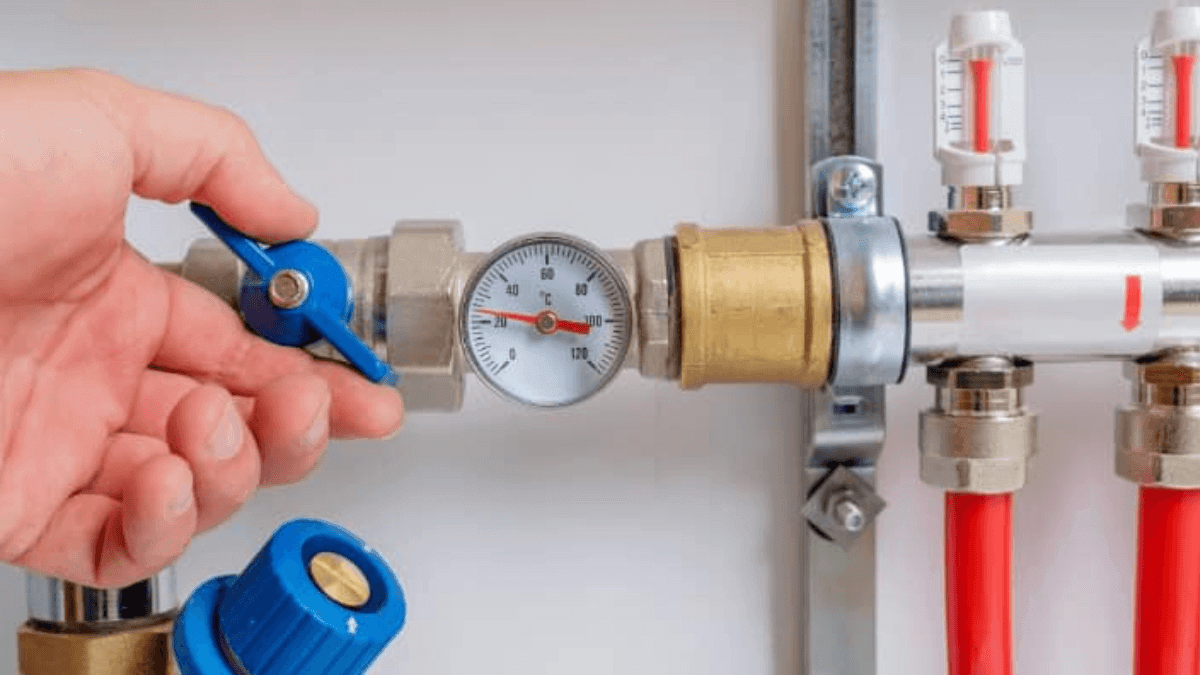
How Plumbing Systems Work in Everyday Homes
Plumbing systems in modern homes are designed to handle water supply, drainage, and waste removal in a smooth and efficient way. In a typical Werribee home, pipes carry clean water from the main supply into kitchens, bathrooms, and laundry areas, while a separate drainage system removes wastewater safely. These systems may seem hidden, but they play a major role in daily comfort and hygiene.
Over time, even well-built plumbing systems can develop issues such as leaks, blockages, or reduced water pressure. This is where understanding the basics becomes useful. Knowing how water flows through a home helps homeowners spot early signs of trouble before they turn into costly repairs. It also makes communication easier when speaking with a professional about any concerns.
Why Hiring a Plumber in Werribee Matters
Choosing a skilled plumber in Werribee can make a big difference when dealing with plumbing problems. Local professionals understand the common issues found in homes in the area, including ageing pipes, mineral build-up, and seasonal changes that affect water systems. This local knowledge helps in providing faster and more effective solutions.
A reliable plumber does more than just fix leaks. They assess the entire system to ensure everything is working properly. This includes checking pipe connections, water pressure, and drainage flow. By relying on an experienced plumber in Werribee, homeowners can feel more confident that the job is done right the first time.
Key Components Inside a Plumbing System
Every home plumbing system is made up of several important parts that work together. These components ensure water enters, moves through, and exits the property without issues. While most of these parts are hidden behind walls or underground, they play a vital role in daily life.
Some of the main components include:
- Water supply pipes that bring clean water into the home
- Drainage pipes that remove wastewater
- Fixtures such as taps, sinks, and toilets
- Valves that control water flow
- Hot water systems that provide heated water
Understanding these components helps homeowners recognise where a problem might be coming from. For example, low water pressure may be linked to supply pipes, while slow drainage often points to blockages in waste pipes.
Common Issues Handled by a Plumber in Werribee
Even well-maintained homes can face plumbing issues over time. A qualified plumber in Werribee is trained to handle a wide range of problems, from small leaks to major system faults. These issues can develop slowly or appear suddenly, depending on the condition of the system.
Some of the most common problems include dripping taps, blocked drains, burst pipes, and faulty hot water systems. Ignoring these issues can lead to bigger complications, such as water damage or increased utility bills. Hiring a Plumber in Werribee early helps prevent further damage and keeps the plumbing system running smoothly.
The Importance of Regular Maintenance
Regular plumbing maintenance is often overlooked, but it plays a key role in keeping systems in good condition. Routine checks can identify small problems before they turn into expensive repairs. Maintenance also helps extend the lifespan of pipes, fixtures, and appliances.
A professional can inspect areas that are not easily visible, such as underground pipes or internal connections. This proactive approach reduces the chances of unexpected breakdowns. Homeowners who schedule regular maintenance often experience fewer emergencies and better overall performance from their plumbing systems.
When to Call a Plumber in Werribee
Knowing when to call a plumber in Werribee can save time, money, and stress. While some minor issues may seem manageable, others require professional attention to avoid further complications. Recognising the warning signs is important for maintaining a safe and functional home.
Some signs that indicate it is time to call a plumber include:
- Unusual noises coming from pipes
- Water stains on walls or ceilings
- Slow or blocked drains
- Sudden drop in water pressure
- No hot water or inconsistent temperatures
A skilled plumber in Werribee can quickly diagnose the issue and provide the right solution. Acting early ensures that small problems do not turn into major repairs.
Tips for Keeping Plumbing Systems in Good Condition
Taking simple steps can help maintain a healthy plumbing system and reduce the risk of unexpected issues. Good habits can make a big difference in how well the system performs over time.
Some practical tips include:
- Avoid pouring grease or food waste down the sink
- Use drain covers to catch hair and debris
- Check for leaks regularly under sinks and around fixtures
- Do not ignore small issues like dripping taps
- Schedule periodic inspections with a professional
By following these steps, homeowners can keep their plumbing systems running efficiently. Regular care not only prevents damage but also helps maintain water efficiency and lower utility costs.
Understanding the Value of Professional Support
While basic knowledge is helpful, professional support remains essential for maintaining a reliable plumbing system. A trained expert has the tools, skills, and experience needed to handle both simple and complex issues. This ensures that repairs and installations are completed safely and correctly.
Working with a trusted plumber also provides peace of mind. Instead of guessing the cause of a problem, homeowners can rely on accurate diagnosis and effective solutions. Over time, this approach helps protect the home’s infrastructure and keeps everything functioning as it should.

Updated Release Timeline as of April 2026
As of April 2026, Rockstar Games has officially confirmed that Grand Theft Auto VI will launch on 19 November 2026. This announcement, shared through the company’s official website, has finally put an end to years of speculation and rumours around the release timeline.
The confirmed date has brought clarity for fans who had been waiting for a solid update. While earlier reports pointed towards a 2025 release window, this new announcement reflects a more refined timeline, likely aimed at delivering a polished and complete gaming experience. The focus now is on what the game will offer when it finally arrives. However, like most major game releases, there is still a possibility that the date could be pushed further if development work is not fully completed on time.
Vice City Returns with a Modern Experience
GTA 6 is set in a modern version of Vice City, inspired by Miami. Unlike earlier versions, this map is expected to be larger, more detailed, and designed to reflect present-day environments. Rockstar is focusing on realism, making the city feel active and constantly evolving.
Key map features include:
- A detailed urban setting with beaches, nightlife, and business districts
- Expanding outer areas such as suburbs and highways
- Dynamic weather systems that impact gameplay
- Increased number of enterable buildings
This updated version of Vice City aims to offer players a deeper level of immersion, with more activities and interactions available throughout the world.
New Characters and Storyline Direction
One of the most notable updates in GTA 6 is the introduction of dual protagonists, including the franchise’s first female lead character. This marks a major shift in storytelling, bringing a fresh perspective to the game’s narrative.
Story highlights include:
- Two main characters with connected storylines
- A modern crime-based plot inspired by real-world themes
- Stronger focus on character relationships
- More cinematic missions and storytelling
This new direction is expected to add more depth to the game, giving players a richer and more engaging experience compared to previous titles.
Gameplay Enhancements and Realism Upgrades
Rockstar is aiming to set a new standard with GTA 6 by improving gameplay mechanics across the board. The focus is on realism, smoother controls, and a more interactive environment.
Expected gameplay upgrades include:
- Smarter AI that reacts more naturally to player actions
- Improved driving mechanics with better vehicle handling
- Enhanced combat systems for smoother gameplay
- More detailed physics and environmental interaction
These improvements are designed to make the game feel more lifelike, allowing players to experience a world that reacts more realistically to their choices.
Platforms and Technical Advancements
GTA 6 will be released on PlayStation 5 and Xbox Series X/S, with a strong focus on next-generation performance. As of now, there is no confirmed PC release at launch, though it may be introduced later.
Platform details include:
- Launch on modern consoles only
- Advanced graphics with high levels of detail
- Faster loading times using updated hardware
- No support for older consoles
By focusing on current-generation systems, Rockstar is able to deliver a more advanced and visually impressive experience.
What to Expect Before Launch
With the release date now confirmed for November 2026, attention has shifted to upcoming announcements and promotional content. Rockstar is expected to gradually reveal more details as the launch date approaches.
Fans can look forward to:
- New trailers showcasing gameplay features
- More insights into the story and characters
- Details about online modes and expansions
- Pre-order options and special editions
At the same time, it is important to understand that large-scale game development can be unpredictable. If required, Rockstar may choose to delay the release to ensure quality and performance standards are met. As of now, GTA 6 stands as one of the most anticipated releases in the gaming industry, with strong momentum building ahead of its official launch.

Securing finance for a truck can feel like a complex process, especially in a competitive market like Melbourne. Understanding the key steps to strengthen your application can make the difference between approval and delay. For businesses or individuals looking to acquire a commercial vehicle, knowing how to approach the process effectively is essential. Engaging with a Melbourne truck finance specialist with a clear plan can streamline the journey and reduce unnecessary stress.
Financiers assess applications based on several factors, including financial stability, credit history, and the intended use of the vehicle. Preparing in advance and presenting a complete, organised application increases the likelihood of success. While the process may seem intimidating at first, strategic planning can make it manageable and even predictable.
1. Assess Your Financial Position
Before submitting any application, take a thorough look at your financial health. Lenders want reassurance that repayments will be manageable. Consider:
- Current income and revenue streams
- Existing debts or liabilities
- Savings and available capital for a deposit
A clear understanding of your finances allows you to select the right type of finance product and ensures that you can commit confidently to repayment terms.
2. Review Your Credit History
Credit history remains a critical factor in finance approval. Even minor issues, such as late payments or high utilisation rates, can influence lender decisions. Request a copy of your credit report and check for accuracy. Correcting discrepancies ahead of time demonstrates responsibility and provides a stronger foundation for your application.
Maintaining a healthy credit record signals reliability. Lenders offering truck finance in Melbourne are more likely to approve applicants who show consistent, responsible financial behaviour.
3. Choose the Right Finance Option
Truck finance comes in various forms, including secured loans, leases, and chattel mortgages. Each product has distinct implications for repayments, ownership, and flexibility. Selecting the option that aligns with your financial circumstances and operational needs is critical. A well-matched finance solution reflects preparedness and reduces the likelihood of unnecessary complications during approval.
Consulting with a provider of Truck Finance Melbourne can help clarify which product best suits your situation and adds credibility to your application.
4. Prepare Complete Documentation
Applications that are missing information or supporting documents often face delays or rejection. Lenders typically require:
- Identification and proof of address
- Financial statements or tax records
- Vehicle details, if already selected
- Evidence of business operations, if applicable
Organising these documents in advance not only speeds up processing but also conveys professionalism and diligence.
5. Maintain Realistic Expectations
Understanding lender criteria and realistic repayment structures prevents frustration. Being aware of what is considered reasonable in terms of deposit size, loan term, and monthly repayments helps applicants tailor their applications. Unrealistic proposals can lead to unnecessary rejection, whereas a well-structured plan demonstrates reliability.
6. Demonstrate Stability and Reliability
For businesses, showing operational stability is crucial. Lenders look favourably on established entities with a track record of consistent revenue and sound management practices. For individuals, employment stability and consistent income provide similar reassurance. Demonstrating that you can maintain repayments over time enhances the likelihood of approval.
7. Engage Expert Guidance
While self-preparation is valuable, seeking advice from experienced professionals can make a tangible difference. Engaging with an expert finance advisor or consultant ensures that your application aligns with lender expectations. They can provide insight into the most suitable products and highlight areas that might require attention before submission.
By integrating these strategies, applicants can approach the finance process with confidence. Knowing how to present a thorough, well-considered application reduces uncertainty and improves outcomes. Strategic planning, combined with professional guidance, often makes the difference between a smooth approval and unnecessary delay.
Securing Truck Finance Melbourne effectively relies on preparation, awareness, and clarity. From assessing financial health to selecting the right product and organising documentation, each step contributes to a stronger application. With these seven strategies, both businesses and individuals can navigate the process confidently and maximise their chances of approval.

Why More Australians Are Replacing Weekend Car Ownership With Flexible Rentals

Why Dependable Local Transport Matters More Than Ever for Regional Communities

Understanding Plumbing Systems in Werribee Homes: A Simple Guide

NDIS and Exercise Physiology: What Participants Need to Know

Travel Time Cuts Hit Mobile Therapists: How Brisbane OTs & Physios Can Offset the 50% Rate Reduction

Urban vs Rural: Where Occupational Therapists Are Needed Most
-
 Listing10 months ago
NDIS and Exercise Physiology: What Participants Need to Know
-
 General9 months ago
Travel Time Cuts Hit Mobile Therapists: How Brisbane OTs & Physios Can Offset the 50% Rate Reduction
-
 Listing10 months ago
Urban vs Rural: Where Occupational Therapists Are Needed Most
-

 Listing9 months ago
Avoid These Common Taxi Scams – Easy Tips Every Mornington Local Should Know
-

 Listing9 months ago
Why NDIS Inhome Support Beats Other Home Help Options
-

 Listing10 months ago
How a Car Finance Broker Saves You Money on Your Next Vehicle Purchase
-

 Listing10 months ago
Hide-and-Seek Toys Your Dog Won’t Quit Chasing
-

 Listing10 months ago
What Are Respite Options? A Complete Guide for Carers and Families