Tech
How Artificial Intelligence is Revolutionising Video Games

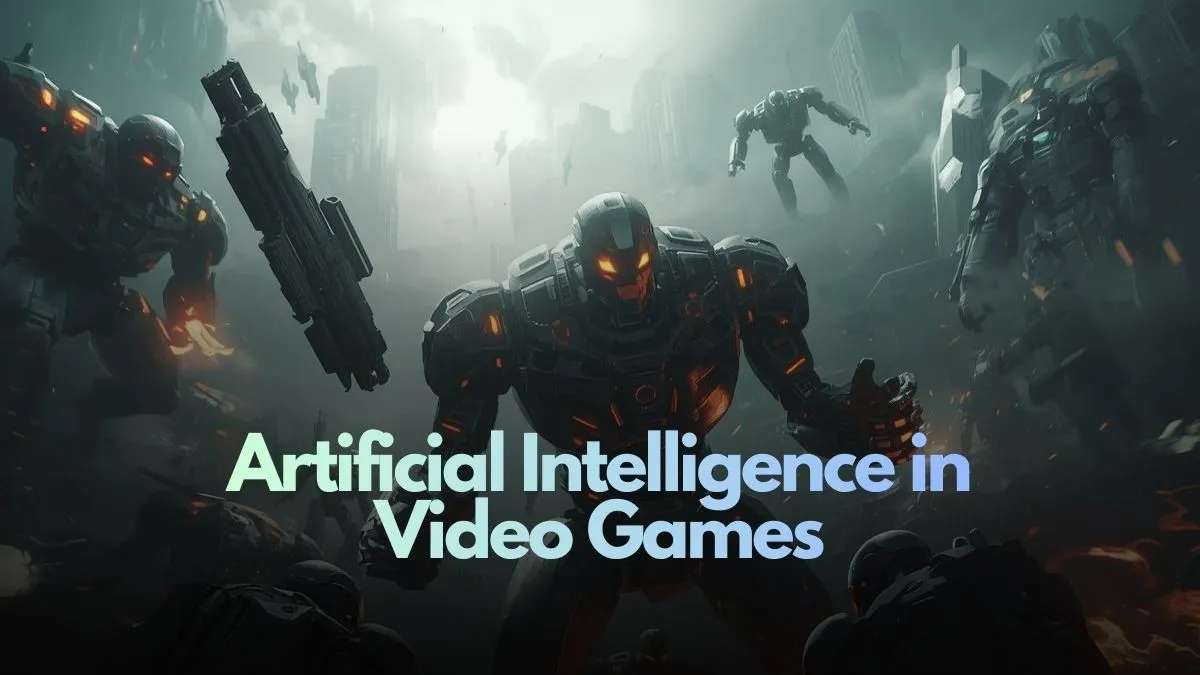
Video games have come a long way from the simple pixelated screens of the past. Today, the magic behind immersive worlds, smart opponents, and dynamic storytelling is largely powered by artificial intelligence (AI). AI in video games is no longer just a gimmick; it’s a core technology shaping how players interact, strategise, and experience digital worlds.
Smarter Opponents and Dynamic Gameplay
One of the most obvious ways AI is transforming gaming is through smarter opponents. AI algorithms enable non-player characters (NPCs) to learn, adapt, and respond to a player’s actions in real-time. This makes the gameplay more challenging and unpredictable. For instance, strategy games like Total War or first-person shooters like Call of Duty use AI to adjust enemy behaviour, ensuring no two battles feel the same.
Beyond just opponents, AI can also generate dynamic environments. Imagine a world that evolves based on your decisions—weather patterns changing, enemy reinforcements appearing strategically, or even entire storylines adjusting to your choices. These adaptive elements keep players engaged and create a truly personalised gaming experience.
Personalised Experiences Through AI
AI in video games isn’t just about enemies; it’s also about tailoring the experience for each player. Machine learning can analyse gameplay styles to adjust difficulty, recommend strategies, or even customise in-game content. Games like Left 4 Dead feature the “AI Director,” which dynamically changes enemy placements, item spawns, and intensity based on player performance. This makes every session unique, keeping the game fresh for both new and returning players.
Real-Life Inspirations Behind Game AI
Many of the AI systems in video games are inspired by real-world technologies. Pathfinding algorithms, neural networks, and decision-making models in games often mirror those used in robotics, autonomous vehicles, and predictive analytics. For example, NPC pathfinding uses techniques similar to GPS navigation, while enemy tactics in strategy games borrow principles from military simulations. This crossover between gaming and real-life AI research not only improves game design but also contributes to advancements in AI outside of entertainment.
The Future of AI in Gaming
Looking ahead, AI promises even more innovation in gaming. Expect richer virtual worlds, deeper storytelling, and more realistic character interactions. Procedural content generation, enhanced voice and emotion recognition, and fully autonomous NPCs could soon become standard. This means games won’t just entertain—they’ll adapt, surprise, and even learn from players in ways previously unimaginable.
Final Thoughts
Artificial intelligence in video games is more than a technical feature; it’s a bridge between creativity and technology. By making opponents smarter, experiences personalised, and worlds more lifelike, AI continues to redefine what gaming can be. Whether you’re a casual player or a hardcore strategist, the AI behind the scenes is working to make every adventure more engaging and memorable.


Common Car Repair Issues Every Driver Should Understand

The Key Things Families Look for in a Trusted Support Service

From Airport Runs to Daily Trips — Woodend Taxi Has You Covered

Urban vs Rural: Where Occupational Therapists Are Needed Most

NDIS and Exercise Physiology: What Participants Need to Know

What Are Respite Options? A Complete Guide for Carers and Families
-
 Listing4 months ago
Urban vs Rural: Where Occupational Therapists Are Needed Most
-
 Listing4 months ago
NDIS and Exercise Physiology: What Participants Need to Know
-
 Listing4 months ago
What Are Respite Options? A Complete Guide for Carers and Families
-

 Listing4 months ago
Hide-and-Seek Toys Your Dog Won’t Quit Chasing
-

 General3 months ago
Travel Time Cuts Hit Mobile Therapists: How Brisbane OTs & Physios Can Offset the 50% Rate Reduction
-

 Listing4 months ago
How a Car Finance Broker Saves You Money on Your Next Vehicle Purchase
-

 Listing4 months ago
Key Insights into the NDIS Worker Screening Check: Protecting Vulnerable Individuals
-

 Listing4 months ago
Laser Scanning and Digital Mapping: The Modern Tools of a Surveyor